
Arabica: aroma and lifted acidity
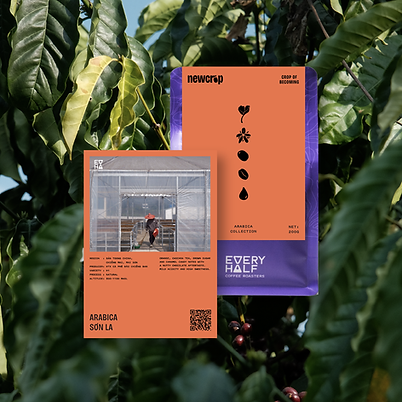
Vietnamese arabica thrives in cooler highland areas. It often brings floral, citrus, tea-like or stone-fruit notes, with a lighter body and more noticeable acidity than robusta.
Careful picking and processing matter as much as species. A clean washed arabica and a fruit-led natural arabica can taste dramatically different even when grown in the same region.
Robusta: structure, sweetness and crema
Robusta naturally carries more body and caffeine. Quality-focused lots can show cacao, nuts, caramel and ripe fruit without the burnt bitterness often associated with commodity coffee.
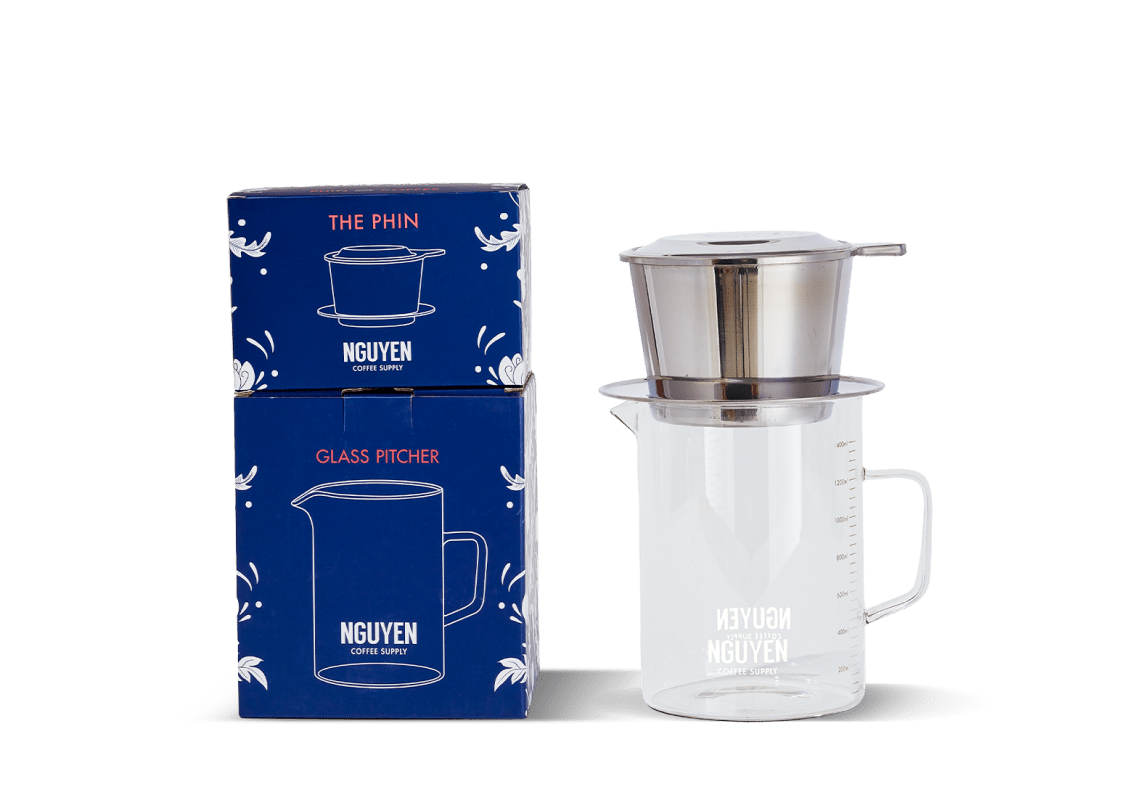
Its density makes it especially effective in a phin, moka pot and espresso. It also provides enough structure to remain expressive with condensed milk or fresh milk.
Liberica: rare and unmistakable
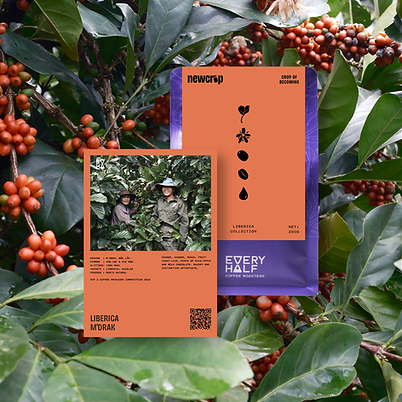
Liberica is less common and immediately aromatic. Depending on origin and processing, it may suggest jackfruit, cacao, herbs, brown sugar or gentle smokiness.
Rather than forcing every coffee toward one definition of “clean,” a thoughtful roast gives liberica room to keep the unusual character that makes it worth discovering.